Key Lessons from ICANN86: DNS Abuse, DNSSEC, and the Future of Cryptographic Agility
DNS Abuse, DNSSEC, and the Future of Cryptographic Agility
Enoch Singano Published on 20 June 2026 | 10:25 UTC+2

I still remember the moment my screen lit up with the opening session of ICANN86. Even thousands of miles away, the energy in Seville was palpable. It felt less like a sterile policy forum and more like a gathering of guardians of the Internet, which included engineers, policymakers, and researchers, united by a shared mission: keeping the world’s digital lifelines secure. Behind the acronyms and technical jargon, the conversations carried a human urgency. DNS abuse isn’t just about numbers on a chart; it’s about protecting people from fraud, safeguarding trust in online communication, and ensuring the invisible infrastructure we rely on every day remains resilient.
DNS Abuse: From Detection to Evidence-Based Action

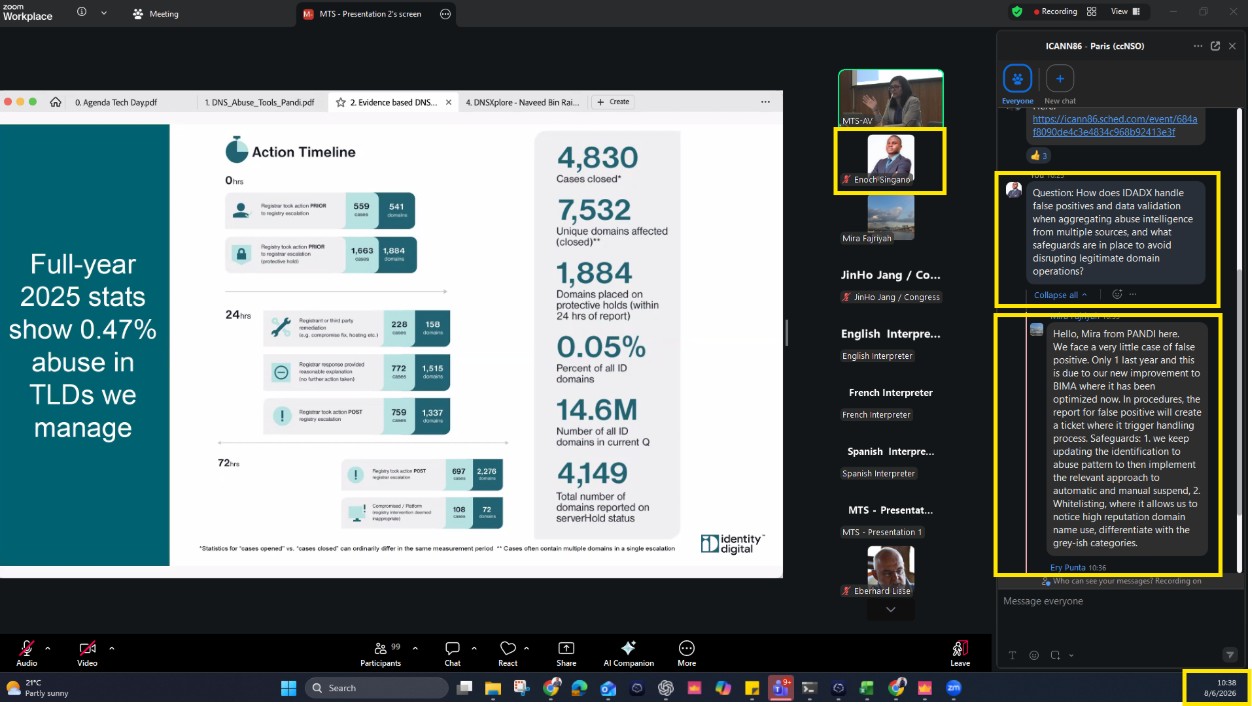
During the ccNSO Tech Day session on global DNS abuse tools and standards, discussions highlighted systems like IDADX (Indonesia Anti-Phishing Data eXchange), which rely on structured abuse indicators and multi-layer verification processes before enforcement actions are taken. This approach helps reduce false positives and ensures that legitimate domains are not unintentionally disrupted.
The core lesson here is that DNS abuse mitigation must be evidence-driven, operationally safe, and context-aware, especially when applied across diverse registry environments.
DNSSEC: Operational Reality vs Theory
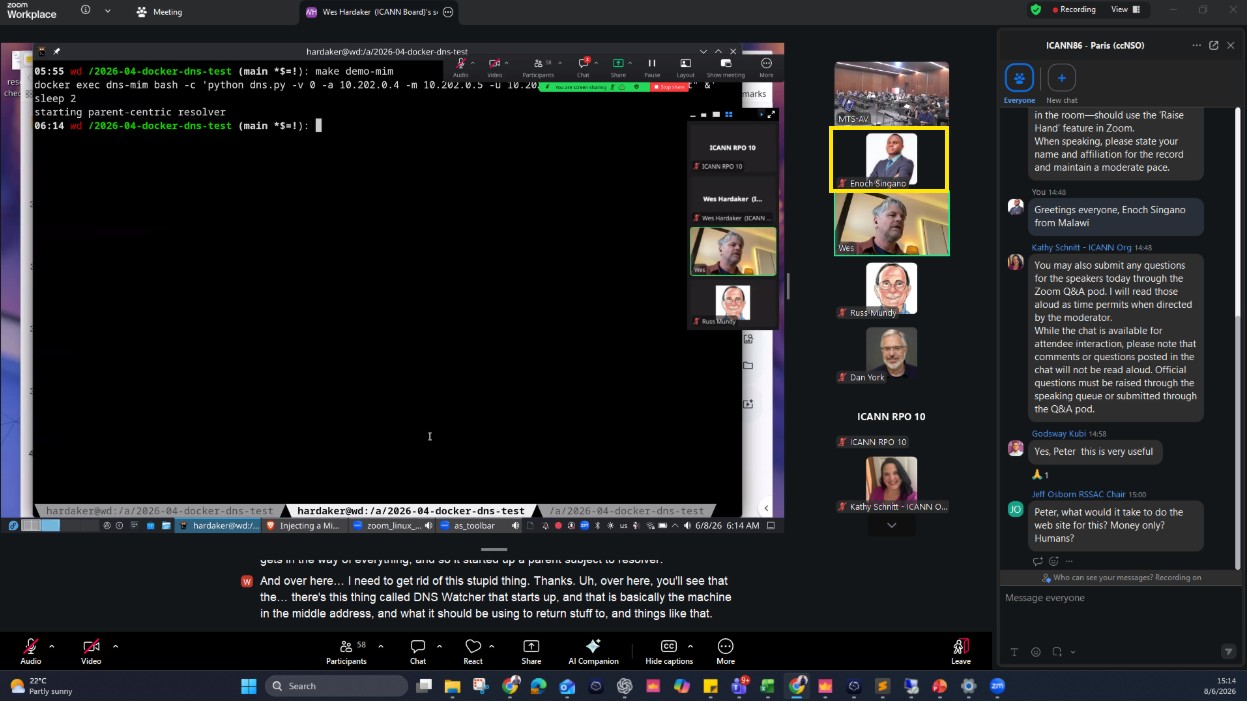
A recurring theme was that DNSSEC issues are often not cryptographic failures, but operational and automation failures. Misconfigurations, inconsistent updates, and manual processes are among the leading causes of validation problems in production environments.
Cryptographic Transitions and the Role of Automation
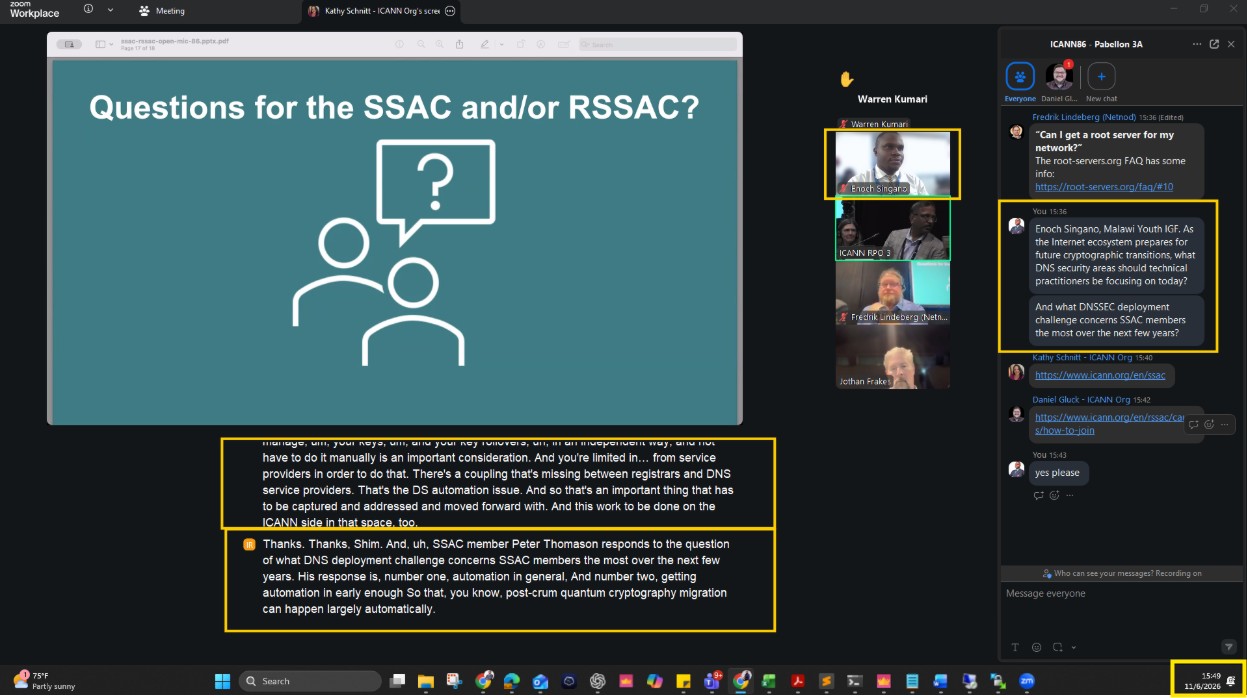
The key insight was that automation is not optional, it is a prerequisite. For large-scale cryptographic transitions to succeed, DNS operations must be capable of automated key management, algorithm updates, and validation workflows. Without automation, such transitions would be too slow, error-prone, and operationally risky.
Importantly, the recommendation was to build automation capabilities early, rather than waiting for post-quantum migration deadlines. This ensures cryptographic agility and reduces systemic risk when transitions eventually occur.
Final Reflection
ICANN86 reinforced a critical understanding: Internet security is not only about strong cryptographic primitives or detection systems, but about operational readiness, measurement consistency, and coordinated global implementation.From DNS abuse mitigation frameworks to DNSSEC operational challenges and future cryptographic transitions, the common thread is clear resilience depends on evidence-based systems, automation, and collaborative governance.
These insights are directly relevant to ongoing work in DNS security, Internet governance, and the broader evolution of secure and trustworthy Internet infrastructure.