The Secret Ingredient
Why Your Food Has a Mood
Maryam Kaisi Published on 15 October 2026 | 10:25 GM+2
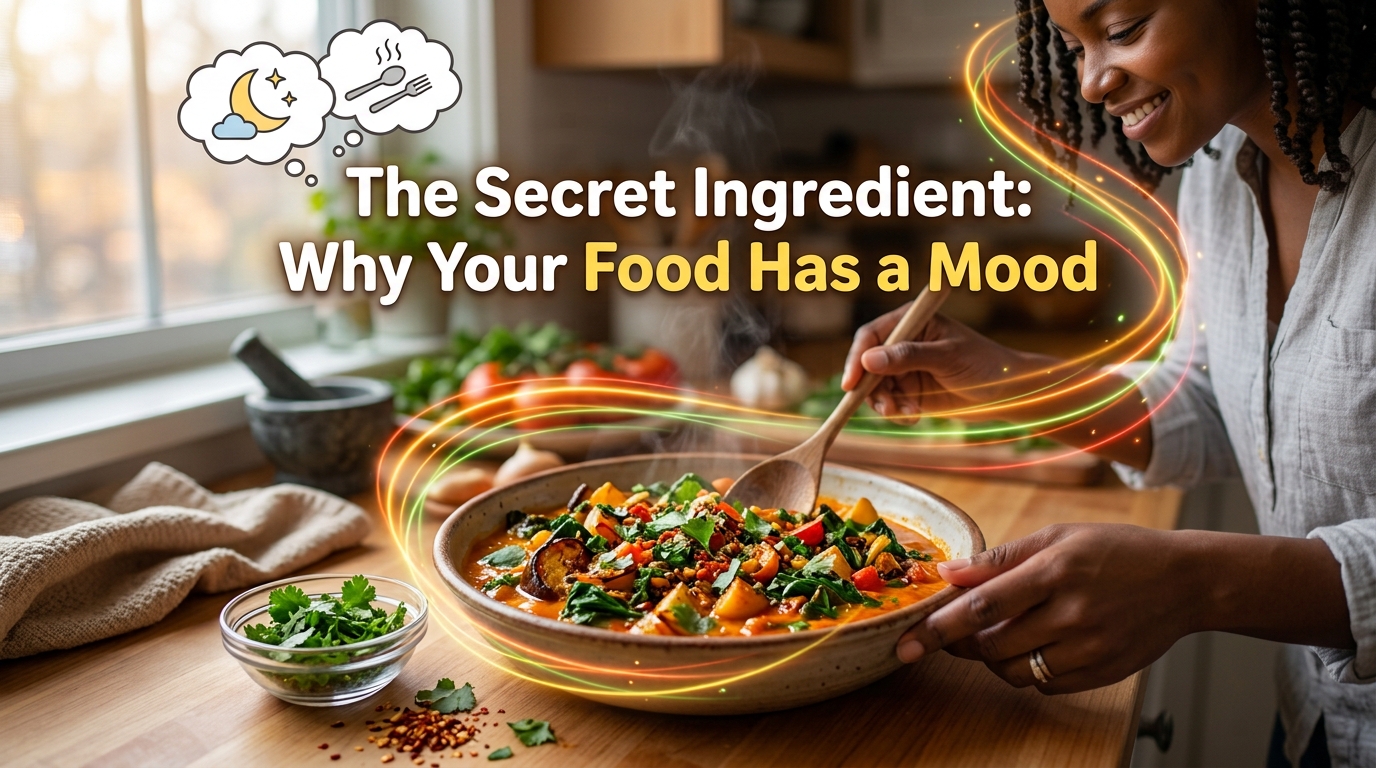
You wake up in the morning, stretch beneath the covers, and before the day has even properly begun, two questions quietly find their way into your mind:
“How am I feeling today?” And a few minutes later: “What am I going to eat or cook today?”If you are anything like me, that second question is rarely answered by the brain alone. Your taste buds join the conversation, suggesting flavors, textures, and aromas before your feet have even touched the floor.
Perhaps that is what happens when you genuinely love food, not simply eating it, but creating it.
I have loved cooking for as long as I can remember. When I was nine, I was already fascinated by recipes.
Some of my earliest cooking memories are of my grandmother. She would gather several of us children,
provide everything we needed, and turn lunchtime into a game.
Each of us had to prepare our own meal,
and whatever we cooked was what we ate. If it was undercooked or over-salted, there was no backup
lunch waiting in the pantry! Looking back, I realize it was her playful way of teaching us responsibility,
self-reliance, and how to learn from our mistakes.

I still remember my first serious attempt at baking a cake. I failed once, then twice, then three times.
My fourth attempt was burnt on the outside and raw in the middle.
But by the fifth attempt, something magical happened.
"I got it right."
That cake taught me a lesson I didn't realize I was learning at the time: sometimes,
success simply comes down to a willingness to try again.
For a while, life grew busy. I cooked when I needed to, but I no longer had time to cook purely for the joy of it.
Then, after getting married, something shifted. Over the past year, the chef in me came back and I have my husband
to thank for that. He loves to eat, and I love feeding him.
Whenever I can, I prefer preparing a meal at home over eating out.
Not because restaurants aren't wonderful, but because there is something deeply personal about preparing food for someone you love.
When I cook for my husband, I am not simply preparing dinner- I am communicating.
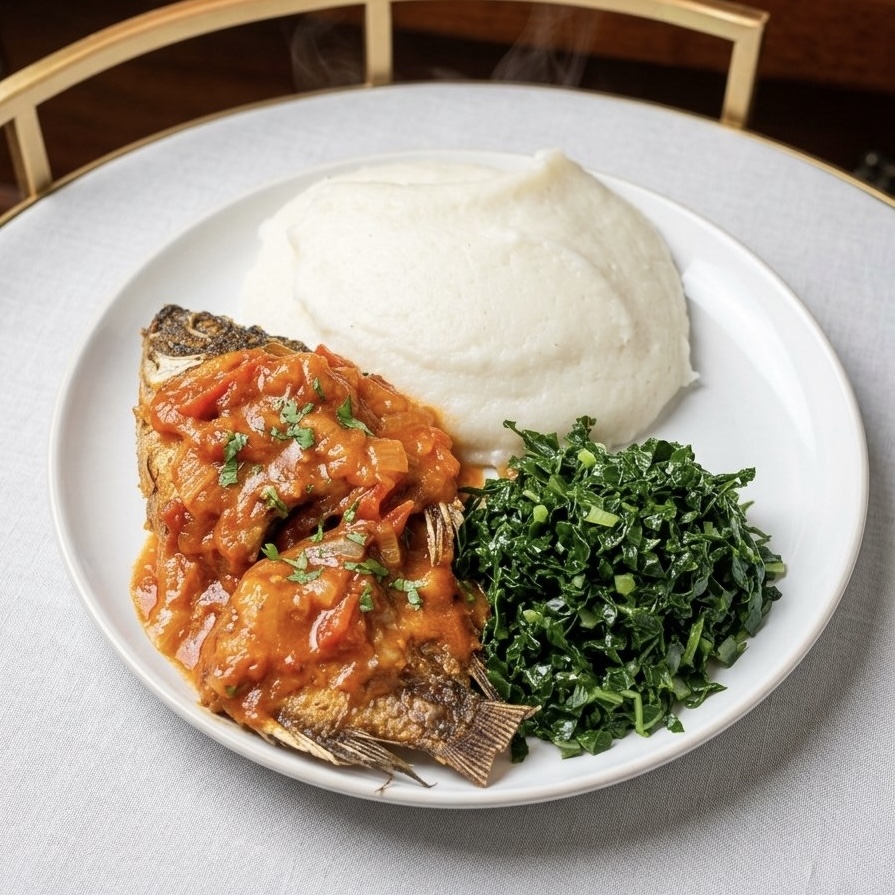
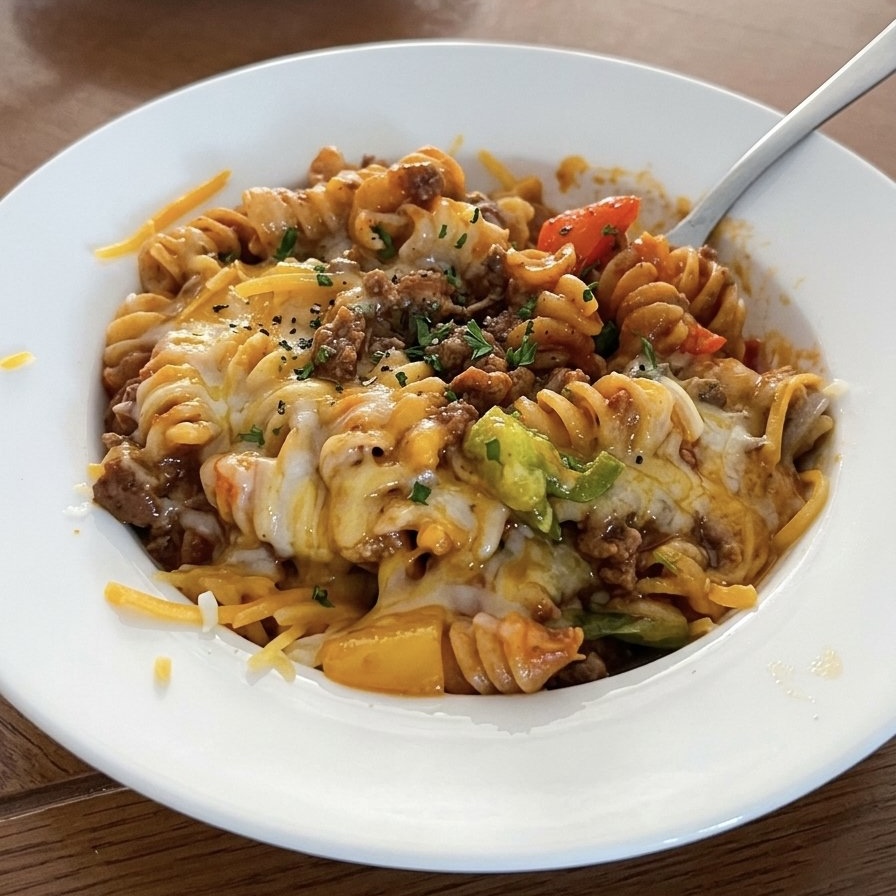
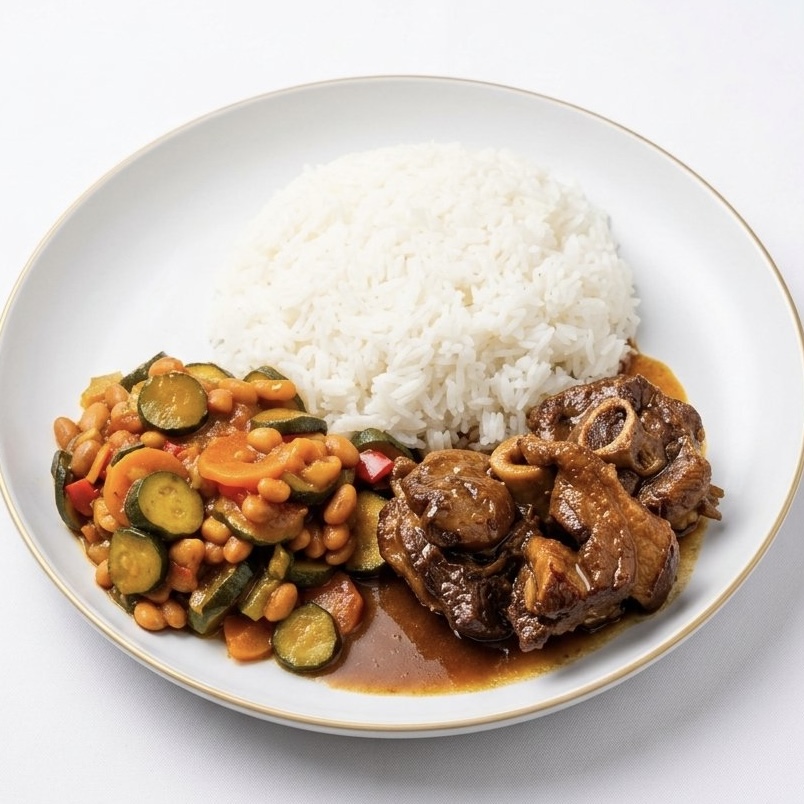
The chopping, stirring, seasoning, and waiting become quiet expressions of affection.
The meal says: I thought about you. I wanted you to have something wonderful. Sometimes,
food speaks louder than words ever could.
That realization led me to notice something intriguing
about my own kitchen: my food has a mood.
The exact same dish can taste completely different depending on how I feel while preparing it.
On a good day, I cook slowly, experimenting with an extra spice or tossing in an ingredient
on a whim because inspiration struck. On heavy days, I might follow the exact same steps,
yet the result turns out differently: cooked a little longer, seasoned a bit more heavily,
or handled with less patience.
The recipe may be identical, But the chef is not.
We often think of food as a sum of its ingredients: flour, eggs, salt, vegetables,
spices, and oil. But food is equally shaped by the person standing at the stove: our patience,
creativity, memories, energy, and mood. Food is a physical necessity, yes, but cooking can
be so much more than survival; It is art, comfort, celebration, and an expression of love.
Of course, there are days when I simply do not feel like cooking. On those days,
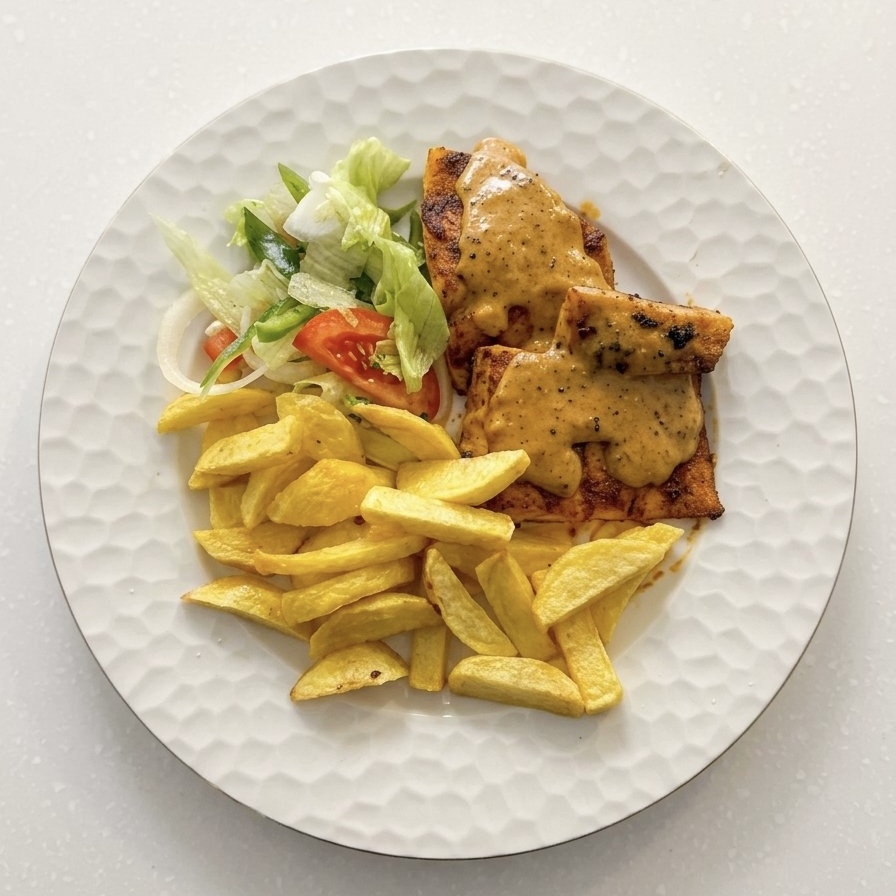
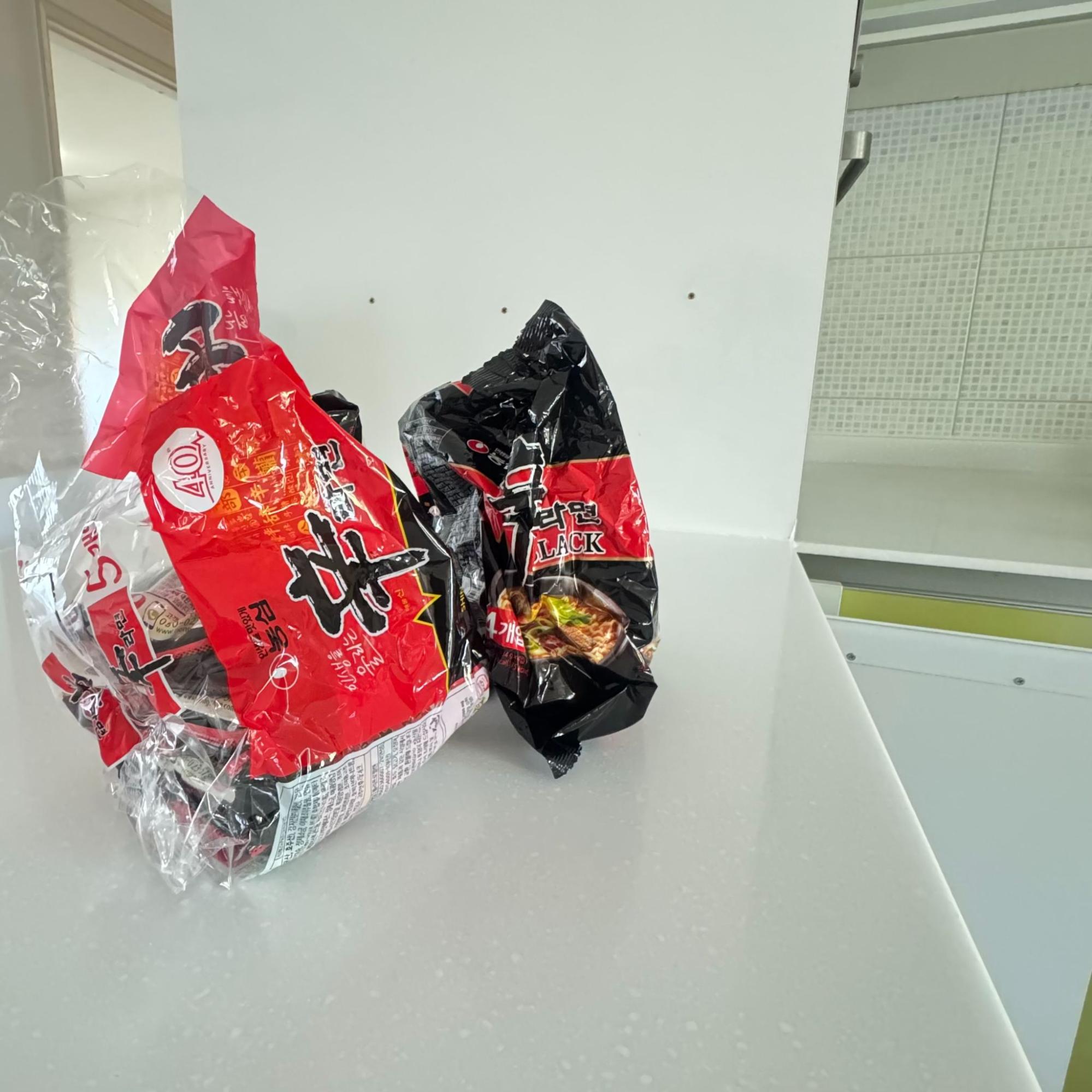
the chef in me takes a well-deserved holiday, and noodles or fries come to the rescue.
They are my ultimate lazy meals quick, warm, and zero pressure.
But on most days, I find myself drawn back to the kitchen because cooking gives me another way to
create and connect. Cooking isn't only about what ends up on the plate; it is about what we bring
to the kitchen. Some days we bring excitement. Some days, exhaustion. Some days, love or frustration.
And somehow, a little piece of us always finds its way into the dish.
So the next time you sit down to eat, pause for a moment. Think beyond the ingredients.
Think about the hands that prepared the meal, the time given, and the emotion whether love,
joy, or exhaustion that went into making it.
Because sometimes, the most important ingredient in a dish cannot be measured with a spoon-It is the mood of the chef.